
Production · 5 min read
What Makes a High-Quality Embroidered Patch?
Stitch density, thread direction, clean borders, color accuracy and finishing — what to look for.
By Markhor Patches Team · Reviewed by Markhor Patches Production Team · Published Oct 8, 2026 · Updated Nov 2, 2026
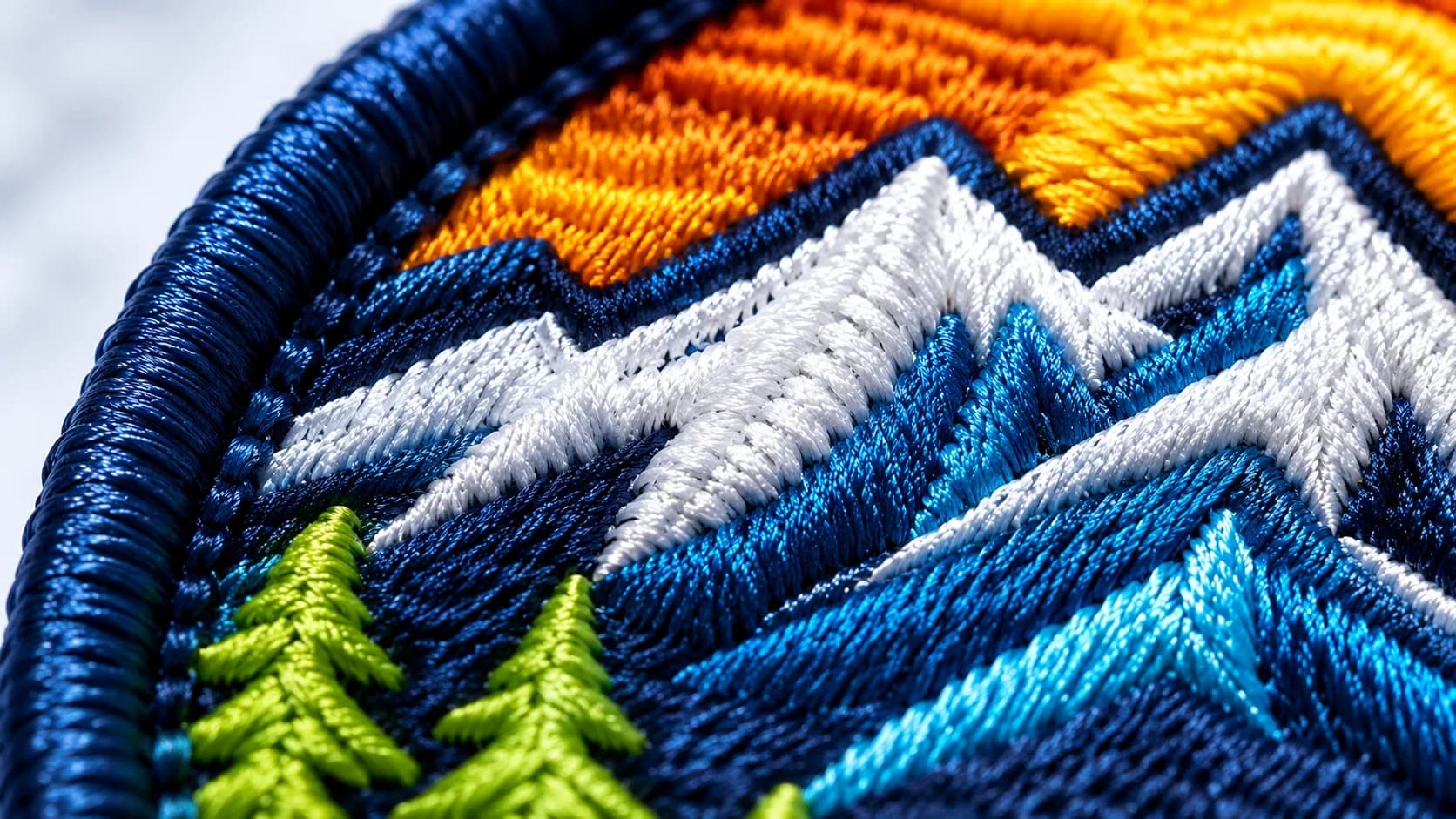
Two patches made from the same logo can look completely different. Here's what separates a well-made patch from a poor one.
Stitch density
Too few stitches and the twill shows through; too many and the patch becomes stiff and puckered. Density should match the size and the area being filled.
Thread direction
Stitch angles catch light differently. Good digitizing uses direction to add depth and keep shapes readable.
Clean borders
A merrowed edge should be even and tight; heat-cut edges should be sealed cleanly with no fraying.
Color accuracy
Thread colors are matched to your artwork and confirmed on your proof.
Small detail
Lettering and fine lines are adjusted so they remain legible at the final size — or we'll recommend woven if embroidery can't hold the detail.
Finishing and backing
Trimmed threads, even backing and a flat finish are signs of care.
Consistency
Every patch in a run should match the approved proof. That's why finished orders are checked before packing.
FAQ
Related products
Ready to start your patch?
Send your requirements and artwork — we'll reply with a private quote and a digital proof.
Related guides
How Custom Embroidered Patches Are Made
From your artwork to a finished patch: digitizing, stitching, borders, backing and quality checks.
Embroidered vs Woven Patches: Which Should You Choose?
Texture or detail? How embroidered and woven patches differ, and how to choose for your artwork.
What Determines Custom Patch Pricing?
The factors that shape a patch quote — size, quantity, type, colors, backing and timeline.

Your design. Our craft.
Tell us what you're making and our team will help take it from artwork to finished patch.